Our Climbing Kilimanjaro Packages

Stand at 5,895 meters above sea level. Experience world-class mountain safety, expert local guides, and unforgettable summit success with African Alive Safaris.

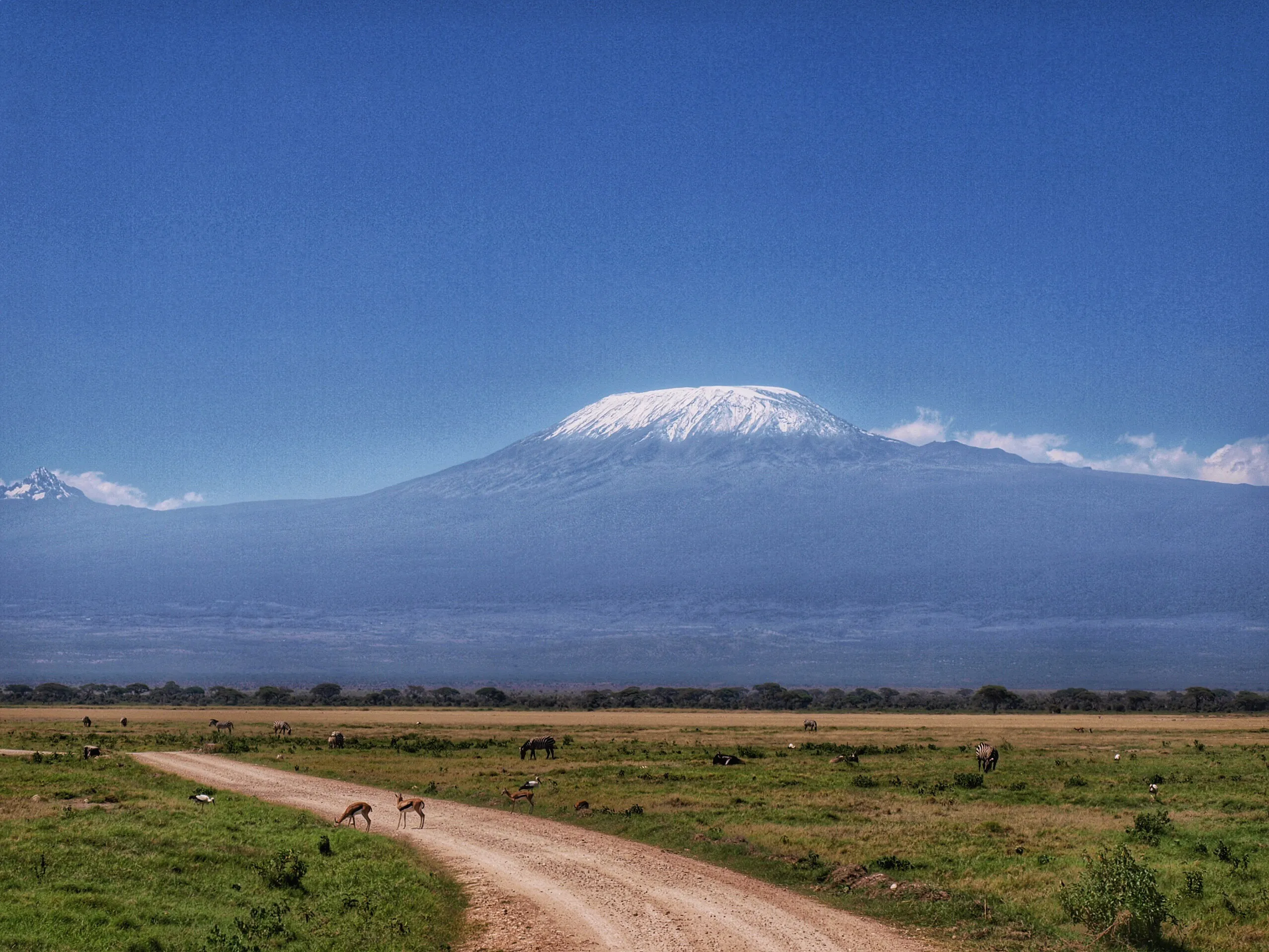
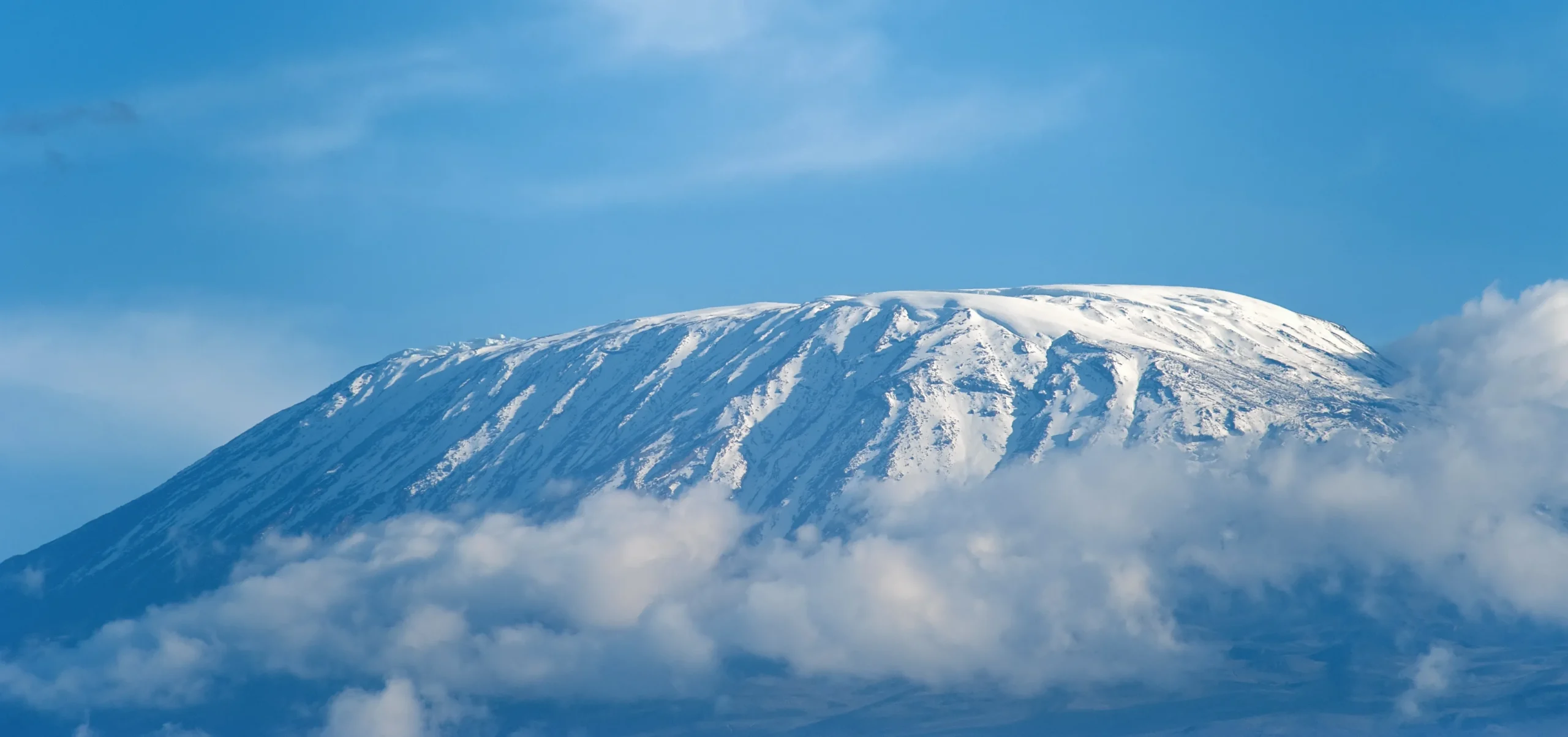
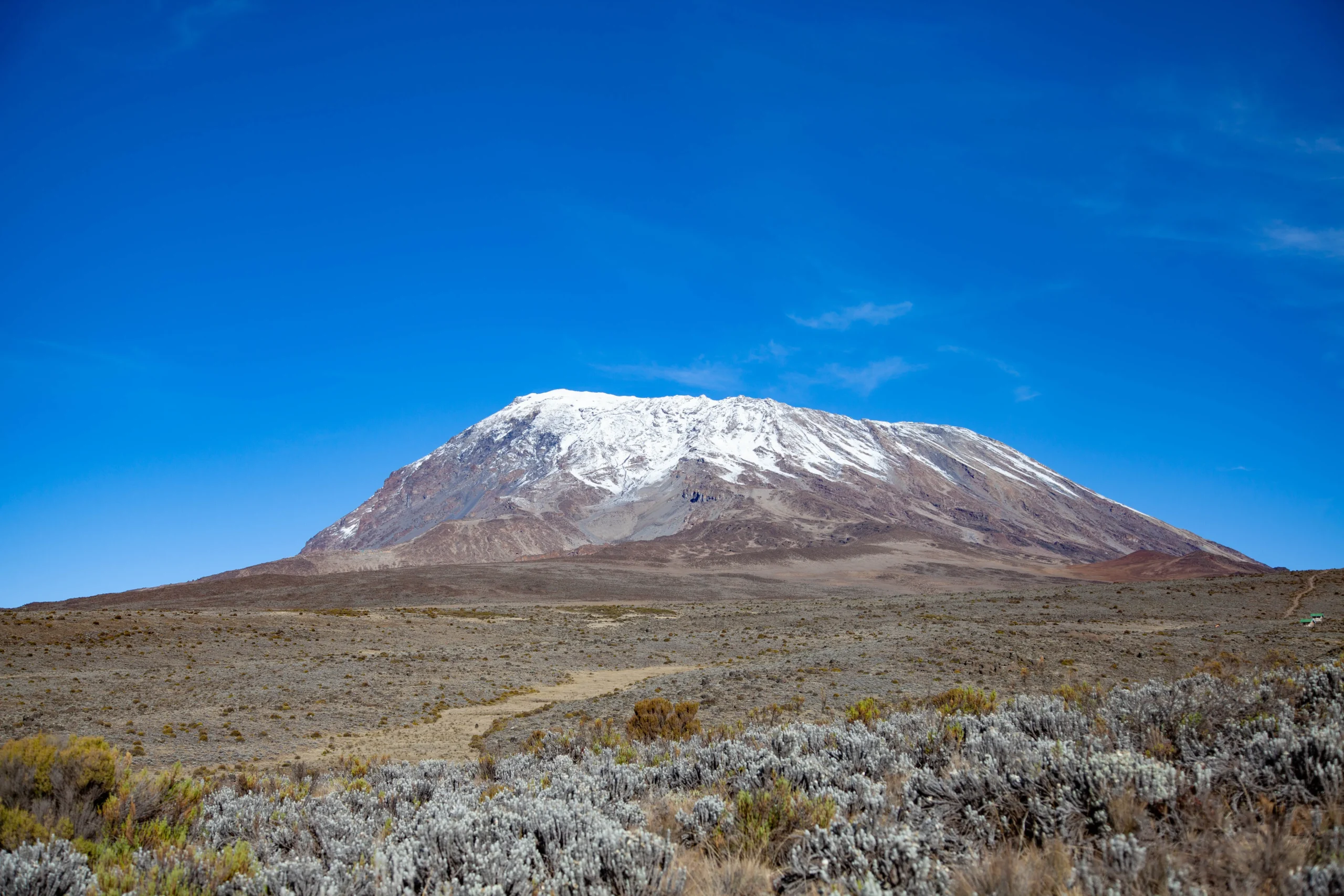
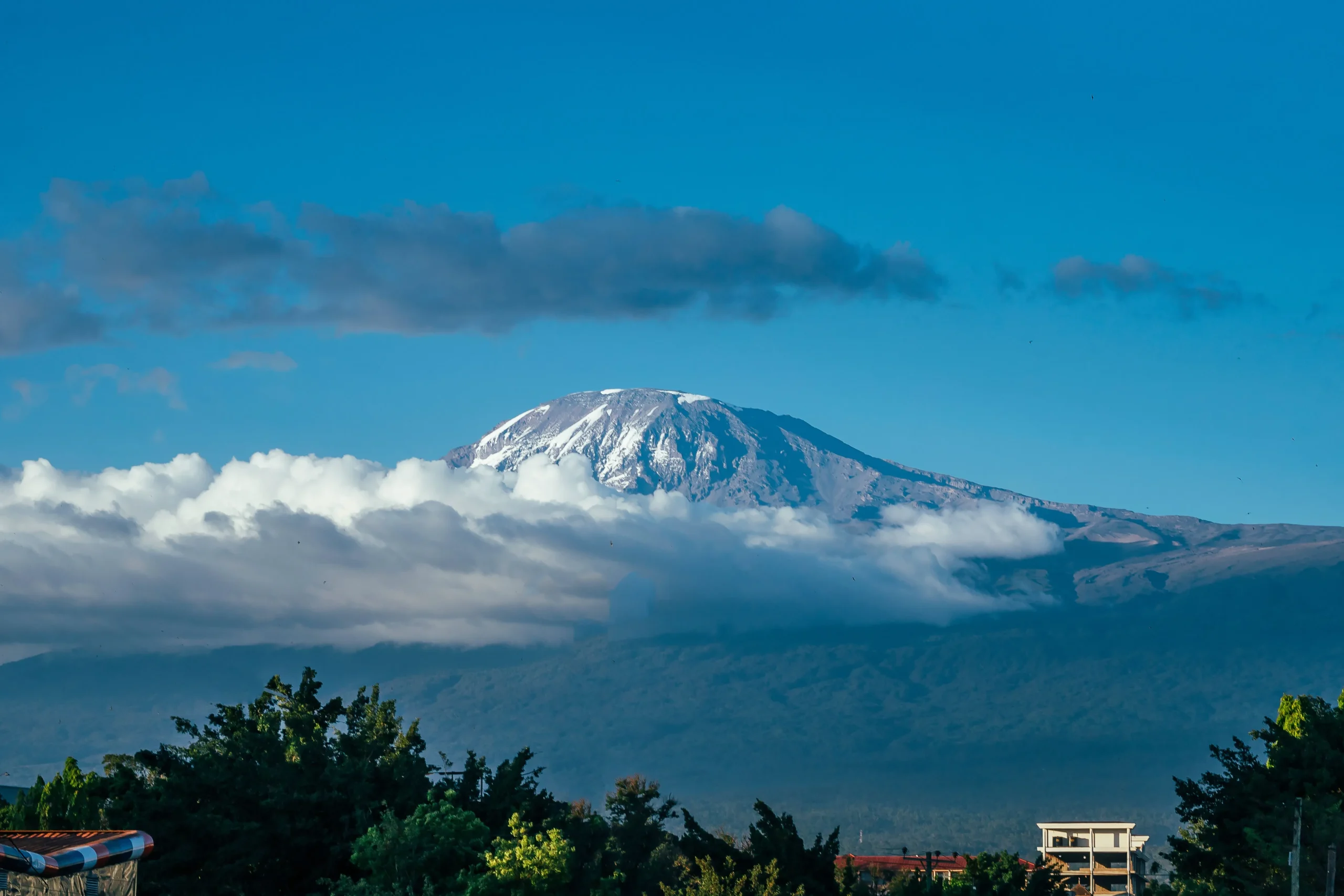
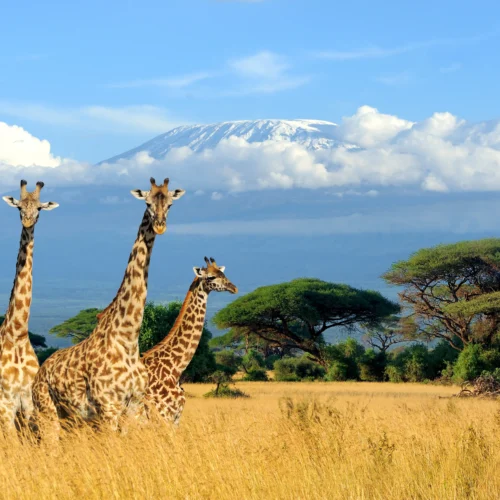
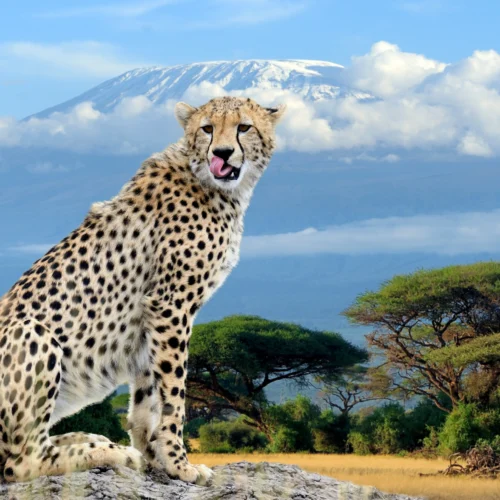
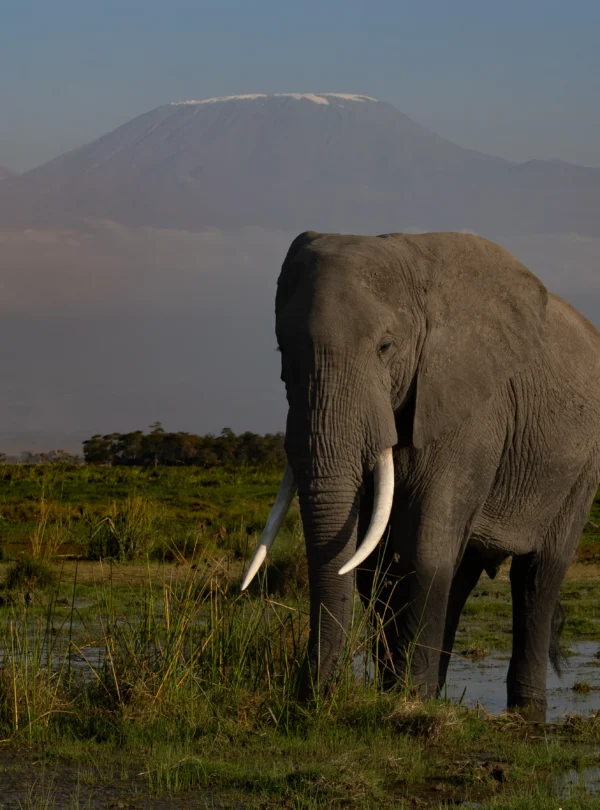
Standing majestically at 5,895 meters (19,341 feet) above sea level in northeastern Tanzania, Mount Kilimanjaro is the highest peak in Africa and the highest free-standing mountain in the world. Composed of three volcanic cones—Kibo, Mawenzi, and Shira—Kilimanjaro is famously known as the “Roof of Africa.”

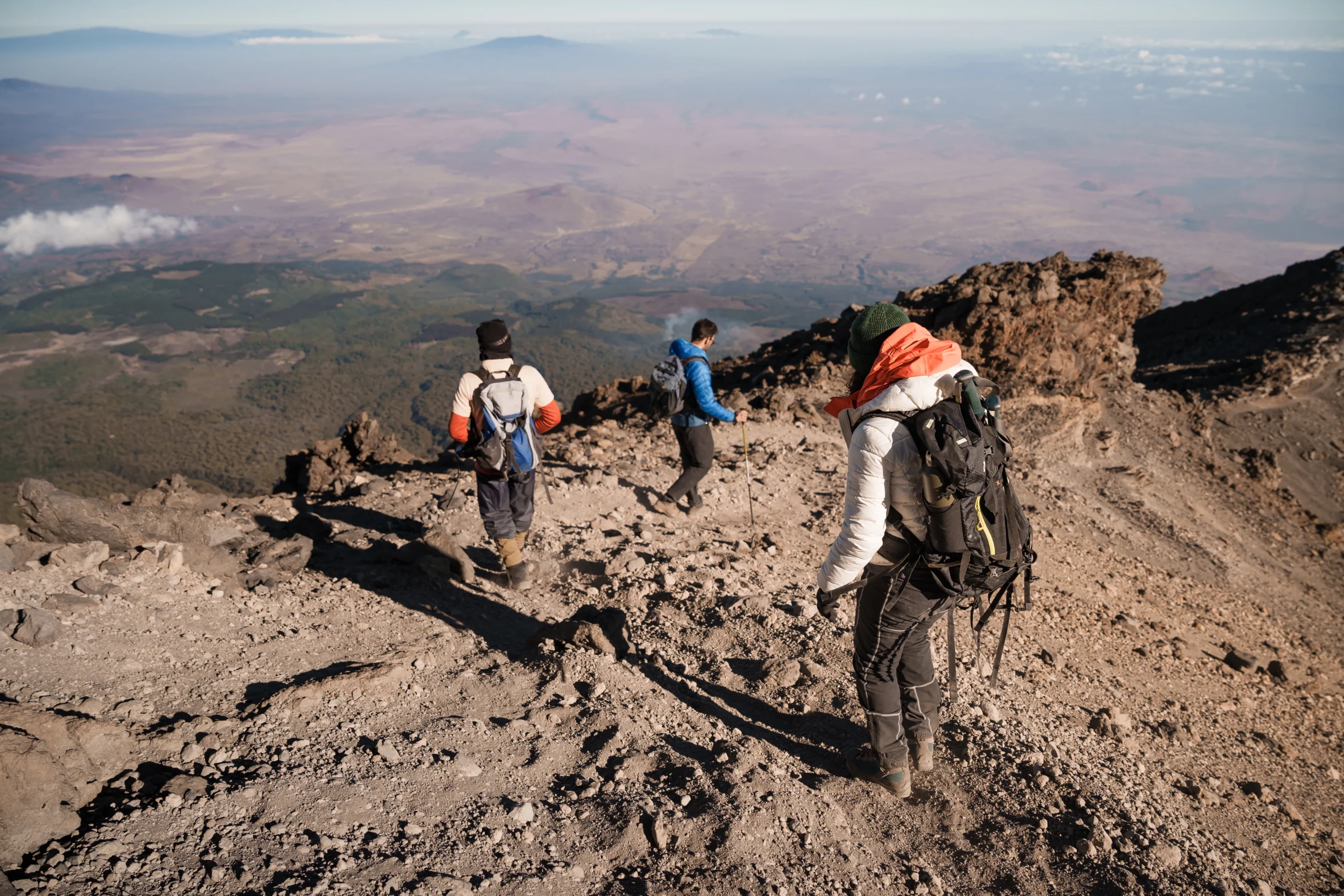
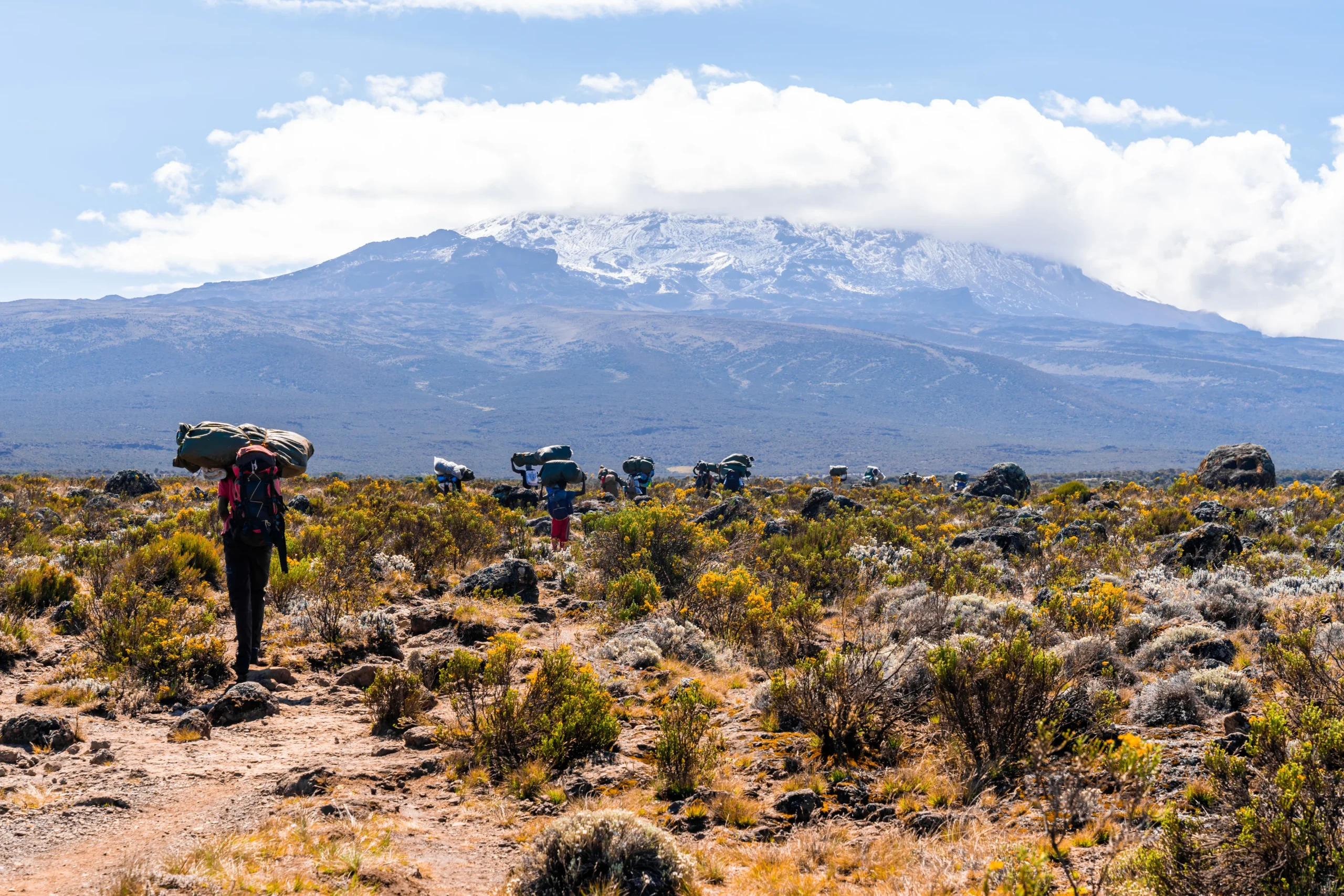
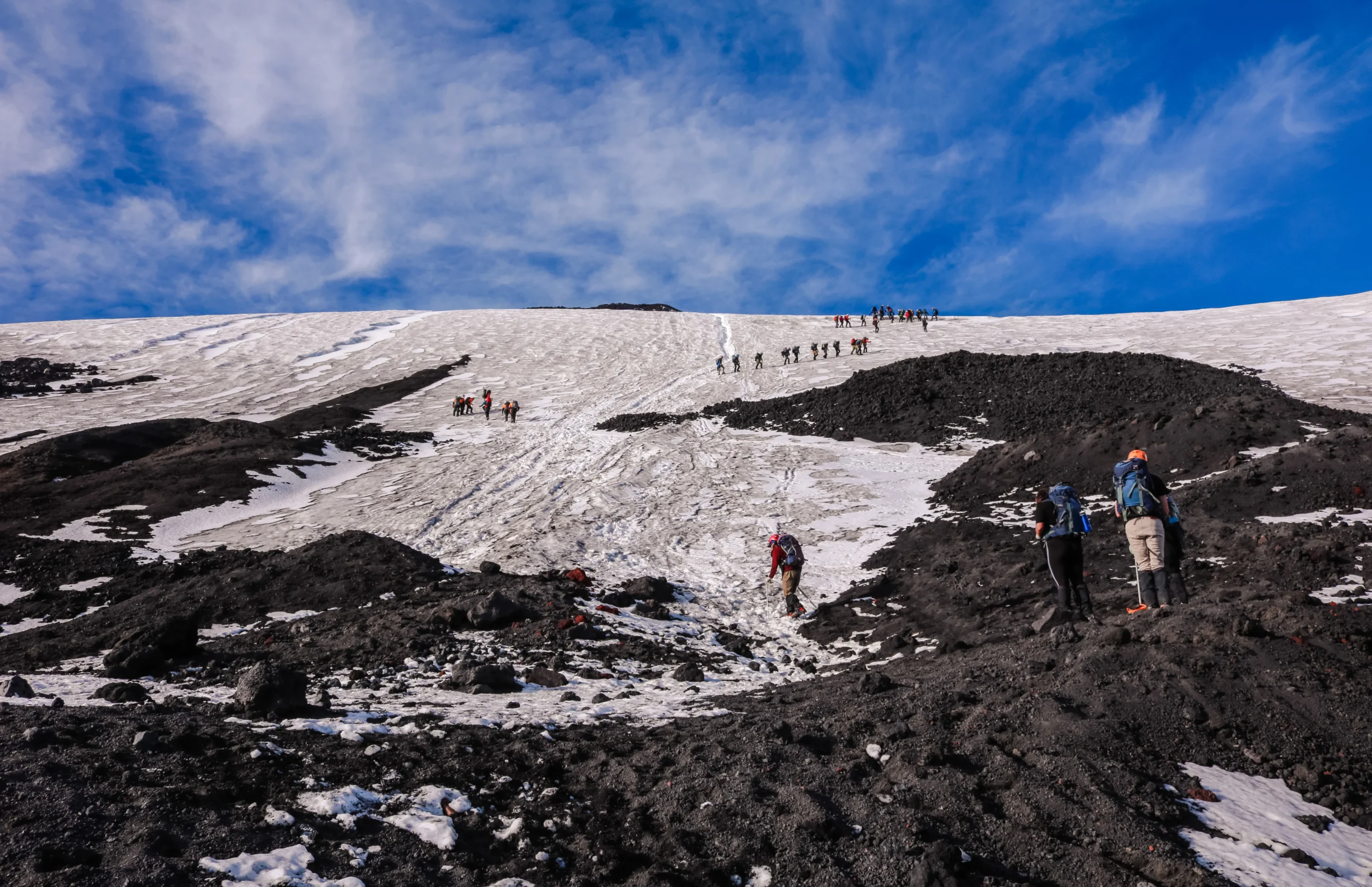
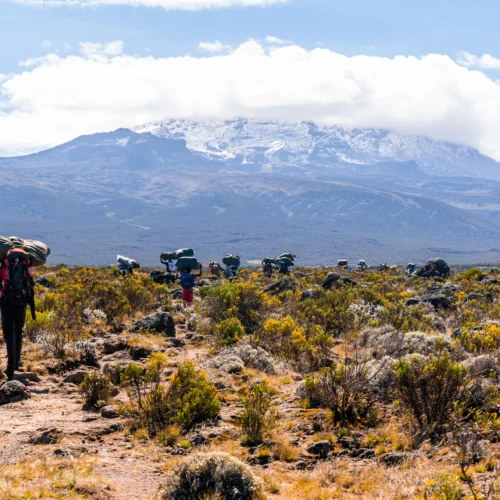
What makes Kilimanjaro uniquely captivating is that it can be scaled without technical mountaineering equipment like ropes, ice axes, or harnesses. Instead, it is a massive, non-technical high-altitude trek that takes climbers through five distinct ecological zones in a single week:

  • The Rainforest Zone (lush, warm, and rich with wildlife)

  • The Moorland / Heath Zone (open shrublands and giant groundsels)

  • The Alpine Desert Zone (arid, stark volcanic gravel landscape)

  • The Arctic Summit Zone (glaciers, ice fields, and extreme cold at Uhuru Peak)


Best Kilimanjaro Routes Packages

Duration 5 Days
Difficulty Moderate
Activity Mountain Trekking & Hiking
4% Off

Duration 6 Days
Difficulty Moderate
Activity Mountain Trekking & Hiking
$2,450pp
$2,350pp
2% Off

Duration 8 Days
Difficulty Moderate
Activity Mountain Trekking & Hiking
$2,800pp
$2,750pp
2% Off

Duration 7 Days
Difficulty Moderate
Activity Mountain Trekking & Hiking
$3,000pp
$2,950pp

Kilimanjaro Climbing Routes

Widely considered the most scenic and well-balanced path up the mountain, the Lemosho Route starts on the western slopes and approaches Kibo via the breathtaking Shira Plateau.

  • Duration: 7 to 8 Days

  • Success Rate: ~85% (7-day) to 90%–95% (8-day)

  • Difficulty: Moderate

  • Scenery & Characteristics: Lemosho offers panoramic vistas across rich rainforests, sweeping alpine meadows, and desert-like arctic zones. Because it begins on the quieter western side, traffic is low for the first few days. It follows an ideal “climb high, sleep low” progression, making it a favorite for maximizing acclimatization and summit confidence.

As the newest and longest trail on Kilimanjaro, the Northern Circuit loops around the rarely visited, majestic northern slopes of the mountain.

  • Duration: 8 to 9 Days

  • Success Rate: 90% – 95%+

  • Difficulty: Moderate

  • Scenery & Characteristics: This route gives you a complete 360-degree panorama of Kilimanjaro, starting from the western glades and traversing all the way around the quiet northern side beneath Kibo’s ice fields. Due to its extended duration, it provides peerless altitude adaptation, resulting in the highest success rate on the entire mountain.

The most popular and iconic route on Kilimanjaro, Machame is renowned for its stunning topography, though it demands a slightly higher physical effort.

  • Duration: 6 to 7 Days

  • Success Rate: ~73% (6-day) to 85%–90% (7-day)

  • Difficulty: Moderate to Challenging

  • Scenery & Characteristics: Machame features steep ridges, deep valleys, and iconic landmarks like the Barranco Wall and Lava Tower. It is a tented-camping route that offers dramatic changes in scenery every day. We strongly recommend the 7-day variation over the 6-day version to give your body enough time to adjust to the altitude.

Marangu is historically the oldest and only route on Kilimanjaro that features permanent shared wooden hut accommodations instead of mountain tents.

  • Duration: 5 to 6 Days

  • Success Rate: ~30%–35% (5-day) to 50%–65% (6-day)

  • Difficulty: Moderate (physically easier walking paths, but tougher due to altitude timelines)

  • Scenery & Characteristics: Marangu uses the same path for both ascent and descent, meaning you traverse the rainforest zones twice. While sleeping in solar-powered huts with bunk beds is appealing, the compressed timeline limits natural acclimatization, leading to lower overall summit rates.

Approaching from the remote northern slopes right near the Kenyan border, Rongai is the only route that scales Kilimanjaro from the dry rain-shadow side.

  • Duration: 6 to 7 Days

  • Success Rate: ~70% (6-day) to 80% (7-day)

  • Difficulty: Moderate

  • Scenery & Characteristics: Rongai is wild, quiet, and wonderfully unspoiled. Because it sits on the northern side, it experiences less rainfall, making it an excellent choice during wetter months. The slope gradient is very gradual and steady, making it a great alternative for trekkers seeking solitude and a less steep ascent profile.

Summary Route Comparison Matrix

Route NameDaysSuccess RateAccommodation TypeBest For
Northern Circuit8–9 Days90% – 95%+Tented CampsMaximum views & highest success
Lemosho Route7–8 Days85% – 95%Tented CampsBest overall scenic balance
Machame Route6–7 Days73% – 90%Tented CampsClassic adventure & varied terrain
Rongai Route6–7 Days70% – 80%Tented CampsWilderness seekers & rainy season climbs
Marangu Route5–6 Days30% – 65%Shared HutsWalkers who prefer huts over tents
 

Climb Mount Kilimanjaro Tours FAQs

Do I need technical climbing experience?

No. Climbing Kilimanjaro requires endurance, mental grit, and cardiovascular stamina, but no technical rock or ice-climbing skills. You simply walk up the mountain one step at a time ("pole pole" in Swahili).

When is the best time to climb Kilimanjaro?

The mountain can be climbed year-round, but the best weather conditions occur during the dry seasons: January to March (warmer, clearer skies) and June to October (drier, though July and August can be windier and colder at the summit).

How Do I Get to Mount Kilimanjaro?

The easiest way to reach Mt Kilimanjaro is by flying into Kilimanjaro International Airport (JRO) in Tanzania. From there, it's a 50-minute drive to Moshi where most climbs begin. Major airlines such as Turkish Airlines, Qatar Airways, KLM, Ethiopian Airlines, and Air France offer flights to JRO. Alternatively, you can fly into Dar es Salaam and take a local flight to Kilimanjaro, though this may come with extra costs for domestic flights and baggage fees. Another budget-friendly option is to fly into Nairobi, Kenya, and take a bus to Moshi, but keep in mind the additional costs of a Kenyan transit visa ($21) and the bus transfer ($45), with a total journey time of about seven hours.

Do I need a guide?

Yes. By regulations set by the Tanzania National Parks Authority (TANAPA), all climbers must be accompanied by a licensed lead guide, assistant guides, cooks, and porters. You cannot climb independently.

How do we handle sanitation and waste on the mountain?

African Alive Safaris provides private portable chemical toilet tents for our clients' comfort and hygiene at every camp.

How Should I Train to Climb Kilimanjaro?

A moderate fitness level is key to a comfortable and successful Kilimanjaro climb. This means you should be able to run 5 km (3 mi) without difficulty and hike 10 km (6+ mi) in a day. The best ways to train include swimming, cycling, running, and hiking.

Interested in climbing Mount Kilimanjaro?

Our team is always here to help

Other Popular Tours